
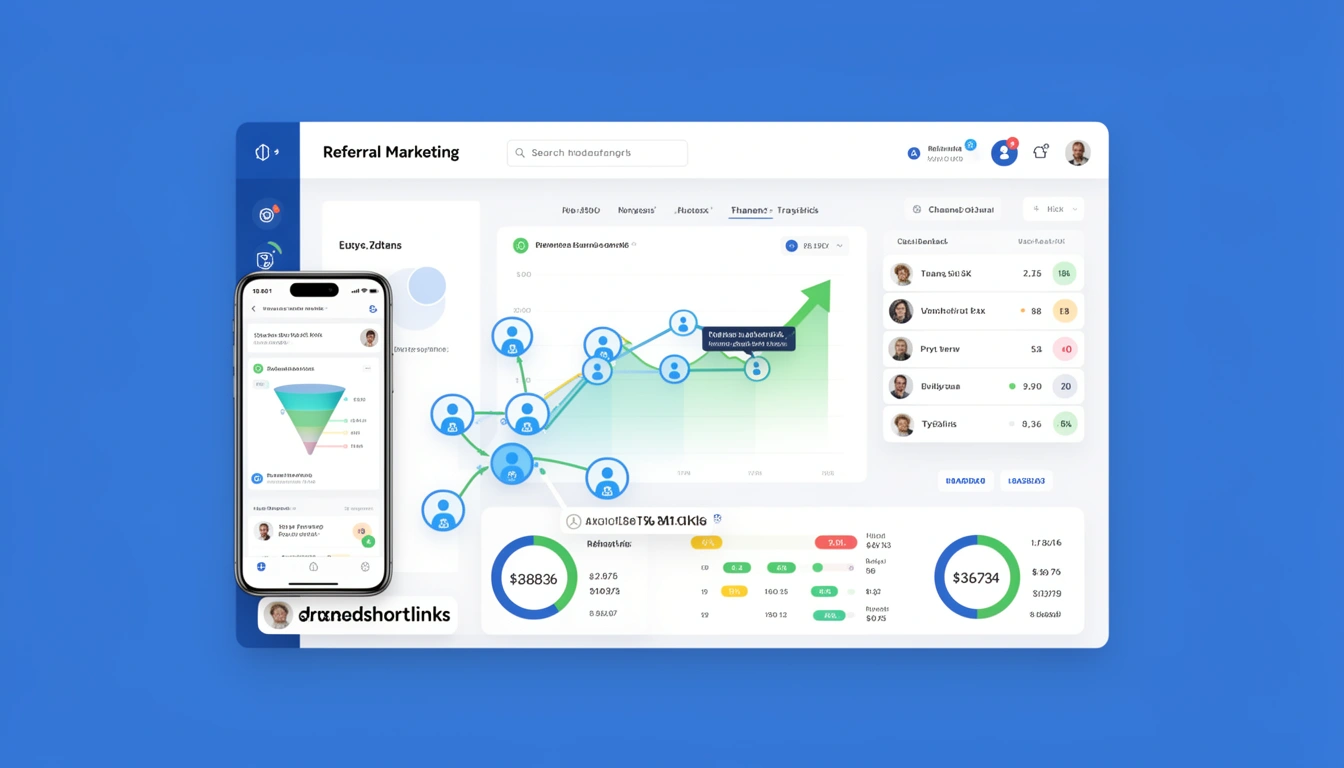
Referral marketing remains one of the most cost-effective customer acquisition strategies, but tracking which channels drive actual app installs has been notoriously difficult. Deferred deep linking changes this by connecting the dots between your referral links and post-install behavior, giving you complete visibility into what's actually working.
Why Traditional Referral Tracking Fails for Mobile Apps
When someone clicks your referral link on mobile and doesn't have your app installed, they get redirected to the App Store or Play Store. The moment they install and open the app, traditional tracking breaks. You lose attribution data, can't identify which friend referred them, and have no way to reward the referrer or personalize the new user's experience.
This attribution gap means you're flying blind on your most important metrics: which referral sources drive installs, which team members hit their goals, and what your true customer acquisition cost actually is.
How Deferred Deep Links Solve Referral Attribution
Deferred deep links preserve attribution data through the app install process. When a new user clicks a referral link, gets redirected to the app store, installs your app, and opens it for the first time, the deep link delivers the original referral parameters to your app.
This means your app knows:
Which referrer shared the link
What channel the link was shared on (WhatsApp, Instagram, email, SMS)
Campaign parameters for tracking different incentive structures
Custom data to personalize the onboarding experience
Building a Data-Driven Referral Program
With proper attribution in place, you can build referral programs that actually scale. Here's what becomes possible:
1. Channel-Level Performance Tracking
Identify which platforms drive the highest quality installs. You might discover that WhatsApp referrals convert at 40% while Instagram DM shares only hit 12%. Use Smler's link-level analytics to track geographic distribution, device types, and time-to-install metrics for each channel.
2. Individual Referrer Leaderboards
Track exactly how many installs each team member or brand ambassador generates. Set monthly goals and create competitive leaderboards that motivate your top performers. When attribution is accurate, you can confidently reward the right people.
3. Conversion Funnel Analysis
Monitor the complete journey: link clicks → app store visits → installs → first purchase. Identify where drop-offs happen and optimize accordingly. If 80% of users who click install the app but only 20% complete signup, you know the problem isn't your referral messaging—it's your onboarding flow.
4. Goal Tracking for Marketing Teams
Set specific install targets for different campaigns or team members. With real-time tracking through Smler webhooks, you can monitor progress toward goals and send automated notifications when milestones are hit.
Implementation: Setting Up Trackable Referral Links
Creating a referral program with Smler takes three steps:
Step 1: Generate Unique Referral Links
Create deep links with custom parameters for each referrer. Include their user ID, campaign code, and any incentive details:
https://your-domain.com/r?referrer_id=user_12345&campaign=spring_promo&reward=20offSmler automatically shortens these to branded URLs like yourbrand.link/r/abc123 while preserving all parameters.
Step 2: Configure App-Side Deep Link Handling
Implement deep link receivers in your app to capture the referral data on first open. Follow our technical guides for iOS Universal Links and Android App Links to ensure seamless attribution.
Step 3: Track Conversions and Set Goals
Use the analytics dashboard to monitor install rates, conversion timelines, and channel performance. Export data to your CRM or marketing automation platform via API to trigger rewards and update leaderboards automatically.
Advanced Strategies for Maximum ROI
A/B Test Incentive Structures
Test different reward amounts by creating separate campaigns with unique tracking codes. Does a $10 credit for both referrer and referee outperform a $15 credit just for the referee? Let the data decide.
Segment by User Quality
Not all installs are equal. Track post-install actions like purchases, subscription upgrades, or engagement milestones. Identify which referrers bring users who actually convert and double down on those channels.
Multi-Touch Attribution
Users often interact with multiple touchpoints before installing. Use UTM parameters combined with deferred deep linking to understand the full customer journey and give appropriate credit across your marketing mix.
Real-World Results
Companies implementing deferred deep linking in their referral programs typically see:
35-50% improvement in attribution accuracy compared to probabilistic matching
2-3x increase in referral program ROI from better optimization
25% reduction in customer acquisition costs by identifying top-performing channels
40% higher new user retention when onboarding is personalized with referral context
Getting Started Today
You don't need a complex setup to start tracking referral conversions. Create your first trackable referral link in minutes with Smler's platform, implement the deep link handler in your app using our documentation, and start collecting attribution data immediately.
The gap between clicks and conversions has been the blind spot in referral marketing for too long. With deferred deep linking, you finally get complete visibility into what drives installs, which channels perform best, and whether your team is hitting their goals. Stop guessing and start measuring what actually matters.
Want to migrate from Firebase Dynamic Links or another provider? Check out our complete migration guide to switch without losing historical data.
Published with LeafPad